
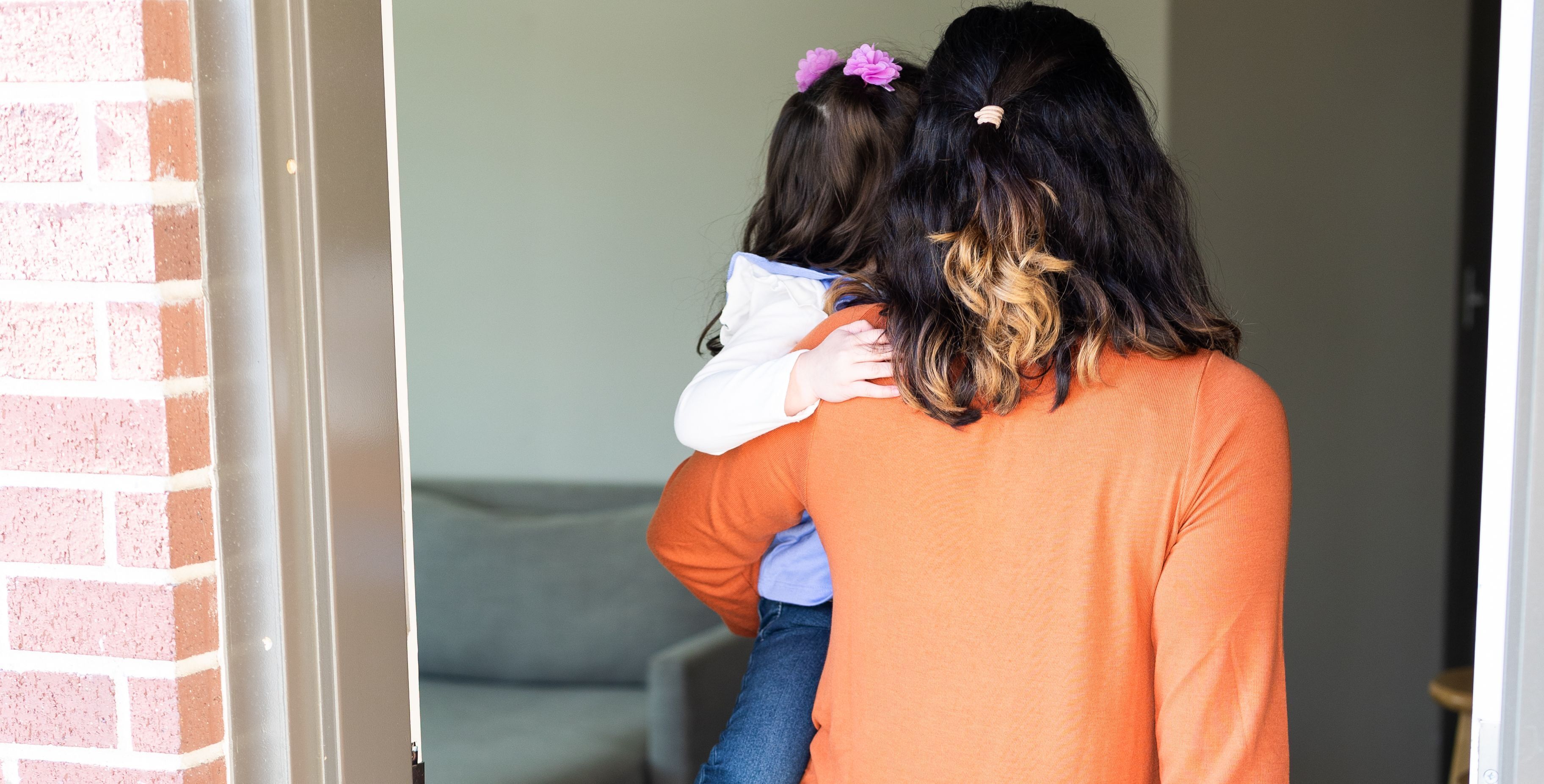
Domestic Violence is not only physical. It can include emotional or verbal abuse, sexual violence, financial control, or isolation. At its core, it’s about one person using fear or control over another. If you recognize this pattern or need to talk through a situation, know that help is available.
Domestic Violence Services Available
- 24/7 Crisis Helpline and Safety Planning
- Advocacy and Case Management
- Counseling and Support Groups
- Emergency Shelter and Housing Assistance
- Basic Needs Assistance
- Children’s Services
For confidential support, call our 24/7
Helpline at (801) 377-5500
If you or someone you know has experienced domestic violence,
you are not alone — and healing is possible.
Frequently Asked Questions
-
What is domestic violence?
Domestic violence is a pattern of behavior in relationships of all kinds that is used to gain or maintain power and control over another person. It can involve financial abuse, isolation, sexual abuse, emotional abuse, or physical abuse and violence. It can happen to people of any race, age, sexual orientation, religion, gender, socioeconomic class, and education level.
-
How do I report domestic abuse?
If you suspect child abuse or neglect, immediately call the Utah Child Protective Services 24-hour Hotline at 1-855-323-3237. Alternatively, you can contact your local law enforcement agency to report abuse.
-
How do I create a safety plan?
Call our helpline and an advocate can help you create a safety plan. It can involve identifying safe people and places in your life for you and your children.
-
What is the lethality assessment?
A lethality assessment is a brief, confidential screening used to identify warning signs that someone may be at high risk of serious harm or death due to domestic violence. It focuses on factors such as escalating abuse, threats, access to weapons, and extreme control. The goal is to better understand risk, support safety planning, and connect individuals to appropriate help, without judgment or pressure.
-
How do I help a friend or family member in an abusive relationship?
-Express concern for their safety and help them recognize the abuse
-Listen without judgment and believe what they share
-Reassure them the abuse is not their fault and they are not alone
-Help them create a safety plan when possible
-Encourage connection to trusted people and domestic violence services
-Offer to go with them for support if they seek help
-Respect their decisions and continue supporting them, even if they’re unsure or not ready to leave -
How long can I stay in emergency shelter?
The target stay is 30 days, however, some survivors stay a few days and others a few weeks. Our advocates work with you to create a personalized plan for moving toward stable housing.